Clean Up Scotland’s Sewage
We want to stop pollution from sewer overflows.
Overview
Sewage pollution is dangerous to people and nature. Yet, over 30 billion litres of raw sewage was discharged from sewer overflows into Scotland’s waterways in 2024.1
We have a right to safe water. It is part of our human right to a healthy environment, and recognised by the UN Committee on Economic, Social and Cultural Rights as ‘a prerequisite for the realization of other human rights.’2
Together with community campaigns RAAG and SOSLeith, we are calling for better regulation and enforcement to Clean Up Scotland’s Sewage.
What are sewer overflows?
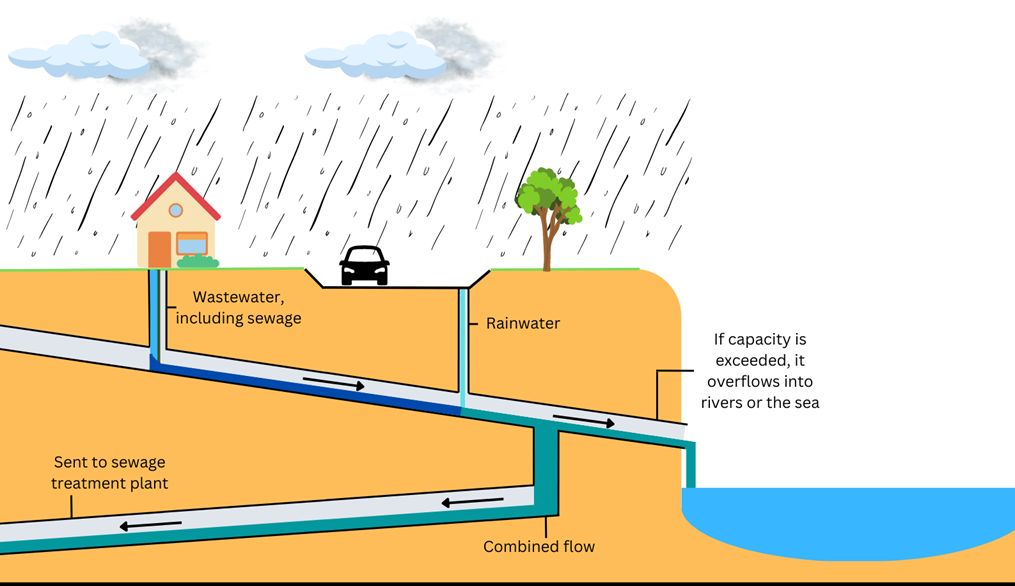
Much of Scotland’s urban areas have a Victorian-era sewer system which collects sewage and rainwater run-off in the same pipes. Sewer overflows were designed to prevent these sewers from flooding from extreme rainfall by discharging sewage into watercourses.
But now, sewer overflows are spilling routinely, not all have screens to stop sanitary waste, and some even spill in dry weather.
What are the solutions?

1. Make pollution visible
Currently, only 34% of Scotland’s 4,083 sewer overflows are monitored.3 In 2024, there were over 24,000 sewage spills reported.4 But because of poor monitoring and reporting, we are in the dark about the full extent of spills – and what is in them.
We must introduce 100% monitoring of all sewer overflows so that we know how often our waterways are being polluted.

2. Stop routine pollution
Currently, the standards for surface water quality do not include important sewage pollutants such as PFAS, microplastics and pharmaceuticals. The official assessment that 87% of our waterbodies have good water quality is not the full picture.5
We must match EU standards for surface water quality and wastewater treatment to safeguard human and environmental health.
3. Hold polluters to account
Last year, 21% of sewer overflows were classified as ‘unsatisfactory’ because of pollution or breach of licence conditions.6 These overflows remain licenced. For communities, even having clear evidence of sewage pollution does not guarantee that it gets cleaned up.
We must review the resources and enforcement of our current regulations to give public bodies the tools to protect our waterways.

4. Build in resilience
Our sewers were designed in the Victorian era, but now collect more sewage and rain because of urban growth and climate change. Networks of water and green areas can reduce pressure on sewers by absorbing rainfall.7
We must set interim targets for 2030 to invest in blue-green infrastructure to reduce sewage spills.
How are communities affected?
River Almond Action Group (RAAG)
RAAG was formed in response to the severe pollution coming from sewage treatment works in the River Almond, West Lothian. They sought bathing water status to get more protection, but were refused.

Save our Shore Leith (SOSLeith)
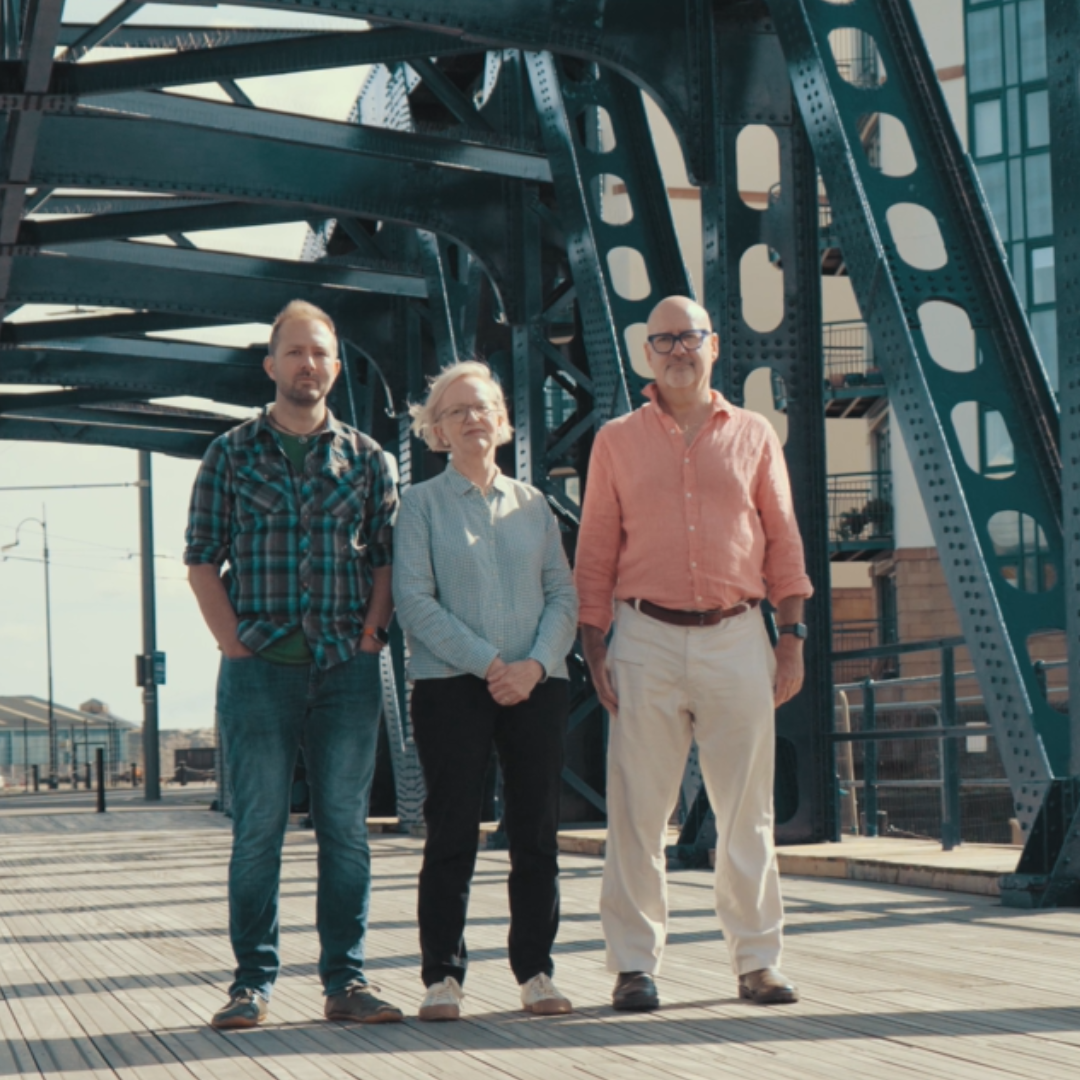
SOSLeith has been fighting against the long-term impacts of sewage pollution in the Water of Leith, Edinburgh. Despite water test results demonstrating sewage pollution, their concerns have gone unaddressed.

Take action

Sign the petition
Sign the public petition to demand all Scottish parties make clean water a priority in their election manifestos. Together, we can demonstrate public support for transformative solutions.

Contact your MSP
Use our template letters and resources to urge your MSP to support the four asks, or request a meeting. Your MSP is there to listen to your concerns and work on issues affecting your area.
Write a postcard
Write a postcard to the Scottish Government about how sewage pollution has affected you. We will add it to our map of Scotland to build evidence and show that you care.
Updates
Blogs & news
Clean Up Scotland’s Sewage: World Water Day
This World Water Day on 22 March, join us in person in Edinburgh and online to send a clear message to the Scottish Government: Sewage pollution doesn’t just wash away with water, it needs action …
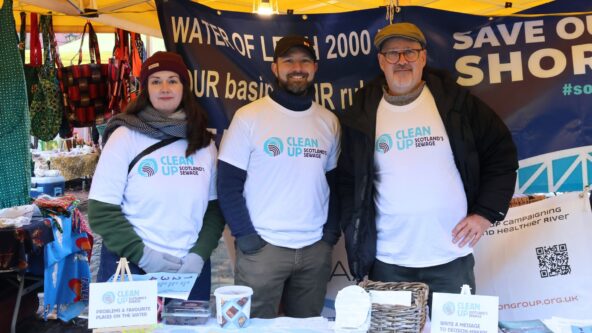
New campaign challenges politicians to clean up Scotland’s sewage – press release
A new national campaign to tackle sewage pollution in Scotland’s rivers and seas was launched on Saturday, supported by over 20 groups and organisations across civil society …
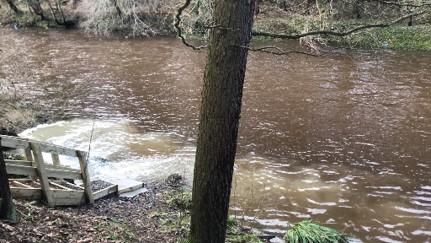
Bathing waters designation – murkier than ever?
Bathing water designation came to our attention when we were contacted by the River Almond Action Group (RAAG). In this blog, our Assistant Legal Officer Preslava Todorova analyses how, over two years after our representation to Environmental Standards Scotland, bathing water designation remains murkier than ever …
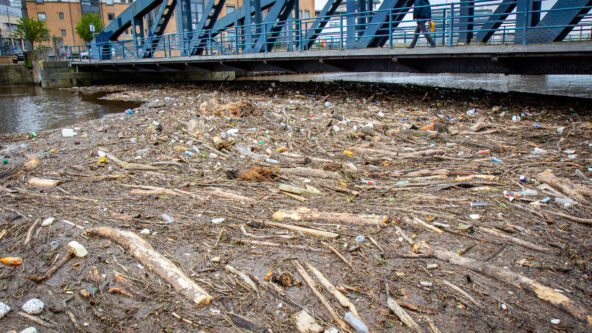
Save Our Shore Leith: Two years of advocating for a clean Water of Leith
SOSLeith have been fighting against sewage pollution for over two years, with little action from environmental regulators …

Bathing water case update: Have the waters cleared?
In recent years, outdoor bathing has become increasingly importance to our health and wellbeing. Yet all is not well – not a day goes by without another sewage scandal, another tale of polluted rivers or beaches clogged with plastic waste …

Bathing water case update: the good, the bad, and the ugly
In March, we submitted a formal complaint to Environmental Standards Scotland about the prohibitively high threshold for applicants seeking bathing water designation for Scotland’s beaches, lochs and rivers …
Resources
Get the latest updates
Join our mailing list to stay up to date on Clean Up Scotland’s Sewage.
- Scottish Water (2025) Scottish Water Overflow Event Data to SEPA 2020-2024 & Summary; Scottish Water (2025) Scottish Water Non-Reported Overflow Event Data & Summary 2022 – 2024 ↩︎
- United Nations Committee on Economic, Social and Cultural Rights (2002) General Comment No. 15: The right to water (arts. 11 and 12 of the International Covenant on Economic, Social and Cultural Rights), paragraph 1 ↩︎
- Scottish Environment LINK (November 2025) Restoring Scotland’s Waters LINK’s priorities for Scotland’s next River Basin Management Plan, p7 ↩︎
- Scottish Water (2025) Scottish Water Overflow Event Data to SEPA 2020-2024 & Summary; Scottish Water (2025) Scottish Water Non-Reported Overflow Event Data & Summary 2022 – 2024 ↩︎
- SEPA [accessed 17 November 2025] Improving urban waters ↩︎
- Water Industry Commission for Scotland (November 2025) Scottish Water 2024-25 Annual Return to Water Industry Commission for Scotland: B Tables. ↩︎
- Scottish Government (February 2023) National Planning Framework 4, p70 ↩︎