ERCS and Fidra are calling for a moratorium on sewage sludge spreading on agricultural land amid increasing concerns about risks to the environment and human health.
For over two decades, members of the public, including Jo Hirst and Doreen Goldie, have raised the alarm about the potential risks from sewage sludge spreading, yet little has been done to alleviate their fears. Read their Voices for Justice piece on their fight to improve regulations and watch the Lunchtime 101 webinar on Sewage sludge on farmland.
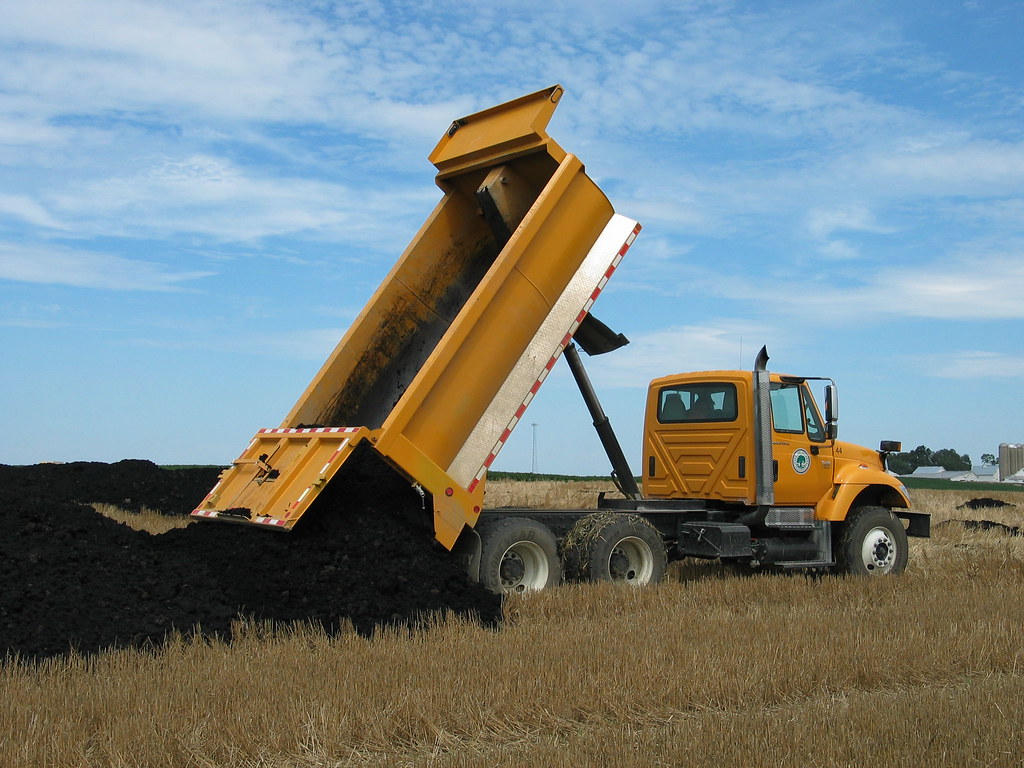
Sewage sludge, also known as biosolids, is a by-product of wastewater and sewage treatment. It is often used as a nutrient-rich fertiliser across Scotland, but it contains a mixture of contaminants such as PFAS (forever chemicals) and microplastics. Between 2020 and 2024, 643,000 tons of sewage sludge were spread across Scotland.
This briefing summarises the argued benefits and growing concerns regarding the spreading of sewage sludge on agricultural land. It identifies:
- Gaps in the new regulatory framework.
- Recommendations to align with the EU Urban Wastewater Directive.
- A need to adopt the precautionary principle by introducing a moratorium on sewage sludge spreading while the risks and alternatives are investigated.