Environmental Justice Network
Scotland’s environmental defenders
Environmental Justice Network
The Environmental Justice Network is a group of community campaigners from across Scotland supported by ERCS. Together, they are pushing for improved environmental regulations and enforcement.
The Network offers peer support to Scotland’s environmental defenders, shares knowledge and experience from current campaigns, and works with ERCS to raise awareness of the barriers to environmental justice.
Membership is open to clients of ERCS’s Law Service and rights awareness work. To find out more contact Cornell, our Rights Officer.
What is an environmental defender?
“An ‘environmental defender’ is any member of the public seeking to protect their right to live in an environment adequate to their health or well-being. This includes, but is not limited to, individuals, groups, local communities, indigenous peoples, environmental NGOs, lawyers and journalists seeking to protect the right to [a] clean, healthy and sustainable environment.”1
Meet the members
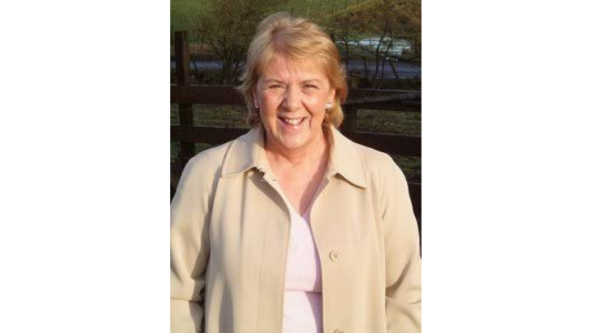
Ann Coleman
Ann Coleman is an activist, community representative, and resident of the village of Greengairs in North Lanarkshire.
Ann has been challenging developments on behalf of communities and the environment for over 25 years. She was instrumental in one of the first environmental justice campaigns in Scotland, challenging the expansion of the largest landfill in Europe.
She also represented ERCS on the Human Rights Lived Experience Board to inform the development of the Human Rights (Scotland) Bill.
Read
- Ann’s fight for environmental justice
- Voice from the Human Rights Lived Experience Board – Ann Coleman
Image credit: Ann Coleman

Audrey Baird
Audrey campaigns for Scotland’s remaining fragments of ancient and native woodland and is also vice chair of Balloch Castle Country Park Regeneration Group.
With only 1% of ancient woodland remaining and most of it in poor ecological condition, Audrey has been raising awareness of its vulnerability to invasive non native species (INNS), development, unlicensed felling, neglect and overgrazing.
Audrey is campaigning for additional legal protections, a new National Register of Ancient Woodland, and closer collaboration with communities to regenerate and sustain these invaluable natural, educational, wellbeing and cultural assets.
Read
Watch
Other resources
- Website: Balloch Castle Country Park Regneration Group
- Social media: Instagram | Facebook
- Restore nature’s legal challenge to protect todrig from sitka spruce plantations
- Guide to environmental impact assessments for forestry projects
- Guide to tree preservation orders
Image credit: Mike D’Arcy
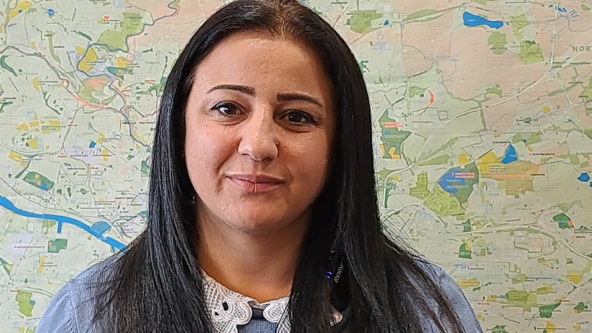
Aveen Khalil
Aveen is a Kurdish migrant from Syria, community activist, and agricultural scientist based in Dundee. With a PhD in Agricultural Science, she combines scientific knowledge with grassroots advocacy to advance environmental and social justice.
She has partnered with ERCS’s Race & the Right to a Healthy Environment project and is a powerful voice for Poverty Alliance’s Scotland Demands Better movement.
Read
- Race & the Right to a Healthy Environment Full report
- Scotland Demands Better – Aveen’s Blog
Watch
- Race & the Right to a Healthy Environment – Lived experience short film
Image credit: Cornell Hanxomphou
Brett Walker
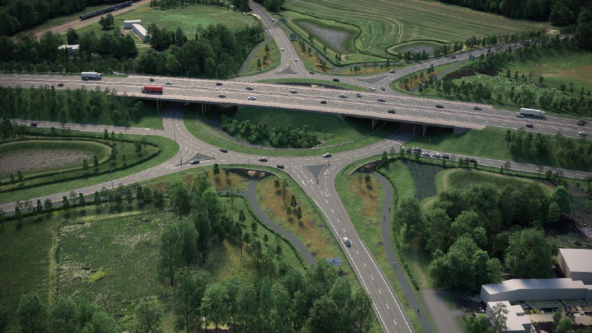
Brett is a campaigner in East Lothian who is part of the Sheriffhall Overarching Objectors. The group opposes an expansion of the Sheriffhall roundabout, a six-way junction on the Edinburgh bypass outside Dalkeith with extremely high volumes of traffic.
The group have highlighted that the expansion will not reduce congestion but will increase emissions and that there has been no consideration for alternative active travel provisions.
Read
Image credit: Transport Scotland

Doreen Goldie & Jo Hirst
Doreen and Jo have been campaigning to stop the practice of sewage sludge spreading on agricultural land for over 18 years.
They have highlighted the cocktail of toxic chemicals in sewage sludge and the risks to human, animal and environmental health.
Learn more about their campaign to Stop Toxic Sewage Sludge.
Read
- Sewage sludge spreading on agricultural land, the harm and the fight for improved regulation
- ERCS/Fidra joint briefing on sewage sludge
Watch
- Lunchtime 101 – Sewage sludge spreading on farmland
- Clean up Scotland’s sewage – the earth raise campaign
Other resources
- Website: Stop Toxic Sewage Sludge
Image credit: Eloise Bishop

Duncan Bowers
Duncan has previously been involved with Cromarty Rising who successfully opposed a proposal to transfer 8.4 million tonnes of crude oil per year to the Moray Firth SAC, a site protected for bottlenose dolphins and subtidal sandbanks.
Chair of the Waternish Wildlife Alliance, he is involved with a petition to redirect a proposed undersea cable from Ardmore Bay’s threatened maerl beds, which are a crucial keystone of marine biodiversity.
Read
Other resources
- Website: Cromarty Rising
- Sign the petition: Save Ardmore Bay’s delicate maerl bed
- Social media: Facebook
Image credit: View from Waternish by Charlie Holmes
George Niblock
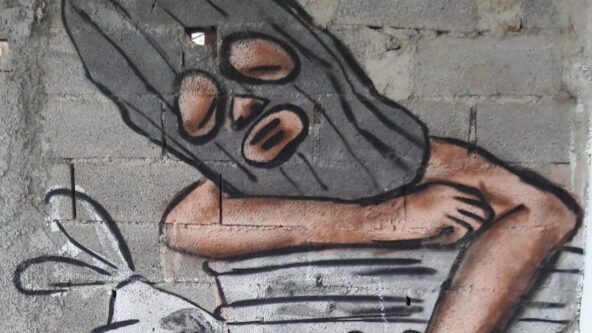
George Niblock is a public health and environmental professional with over 55 years experience advising government and statutory bodies.
George used to be the Chair of the volunteer-led Aberdeenshire Environmental Forum, which closed following the unsuccessful application for a Litter Abatement Order. George continues in his campaign for clean public spaces in Aberdeenshire and Scotland.
Read
Watch
Image credit: George Niblock
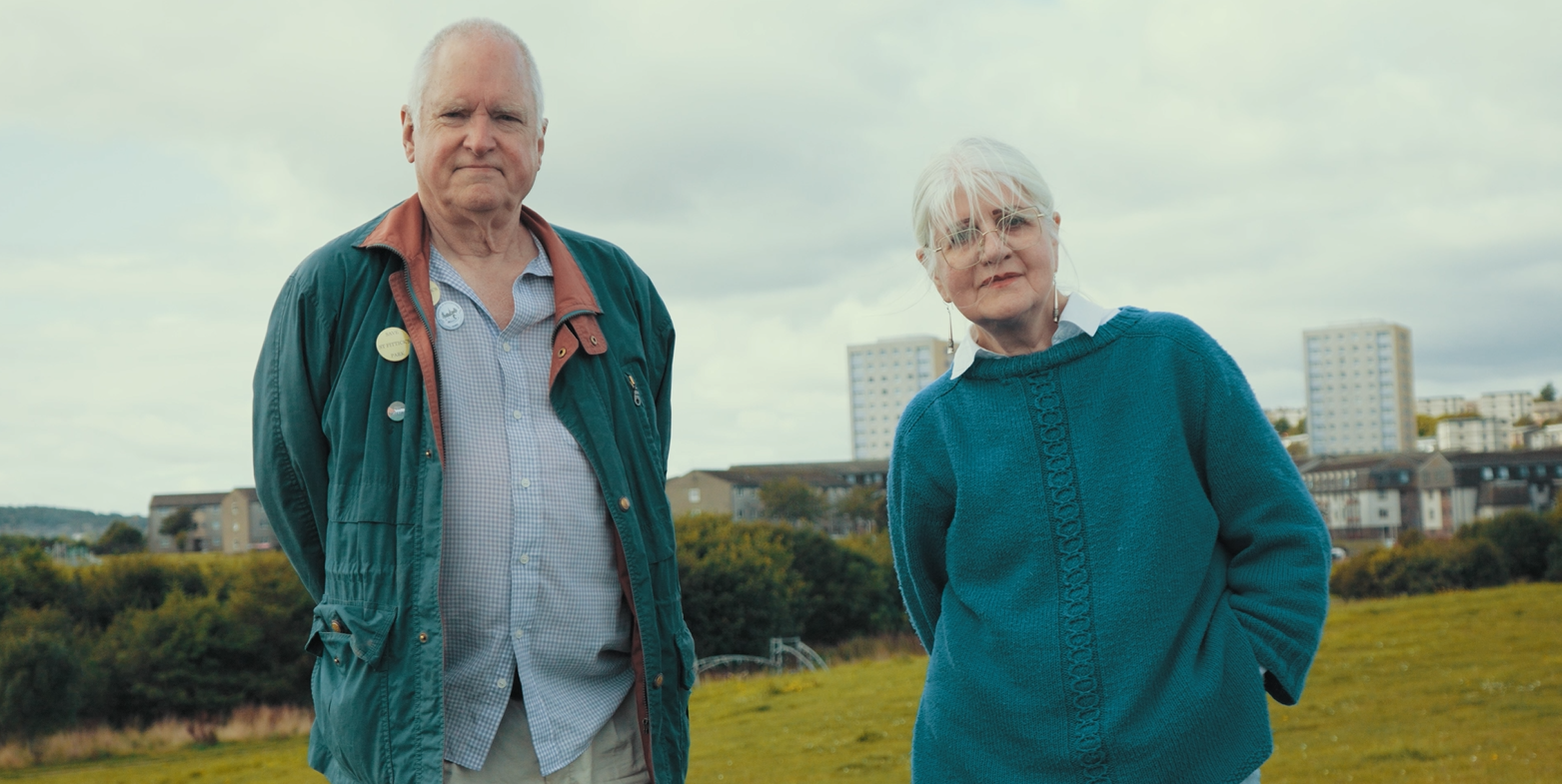
Ishbel Shand and Richard Caie
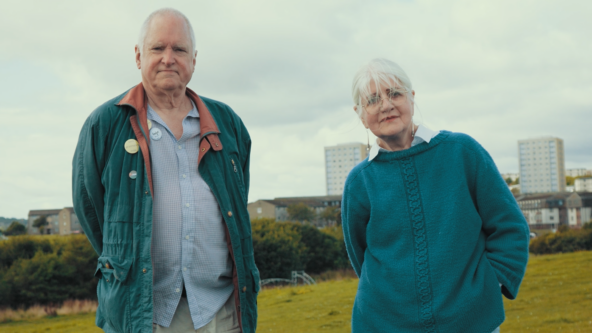
Ishbel and Richard are part of Friends of St Fittick’s Park, who defend the biodiverse greenspace vital to the local area of Torry and the wider Aberdeen community.
Torry is a long suffering area, having taken the brunt of polluting industrial development in the city for decades since Old Torry was destroyed for the arriving fossil fuel industry. The latest threat was the proposed loss of St Fittick’s Park, which the Aberdeen City Council rezoned for industrial development, a land grab being greenwashed as an ‘Energy Transition Zone’.
The group continues to fight against the vested interests of billionaires and corporations while developing St Fittick’s Park into an award-winning greenspace.
Watch
- “They’re killing our kids!” Save St Fitticks Park
- Torry: Lost to the Harbour?
- War on Torry: Episode 5 – Enhanced Nature
Other resources
- Website: Friends of St Fittick’s Park
- Social media: Instagram | Facebook
Image credit: ERCS & JHP Visuals

Jim Jarvie
Jim is a resident of Leith, Edinburgh, and is part of Save Our Shore Leith, campaigning for a healthy, clean Water of Leith, with a particular focus on addressing sewage pollution.
The group also highlights the large amount of silt buildup at the Shore in North Edinburgh, caused by Forth Ports having blocked the tide to protect its assets, which traps sewage.
A citizen science activity has found E. coli in silt samples and asks the government to determine whether this is due to sewage outflows. If so, what is the risk to the public?
Read
- Sewage polluted waters and a lack of monitoring, Save Our Shore Leith
- Save Our Shore Leith – two years of advocatin for a clean Water of Leith
Watch
Other resources
Image credit: Jim Jarvie
Kathleen Edie
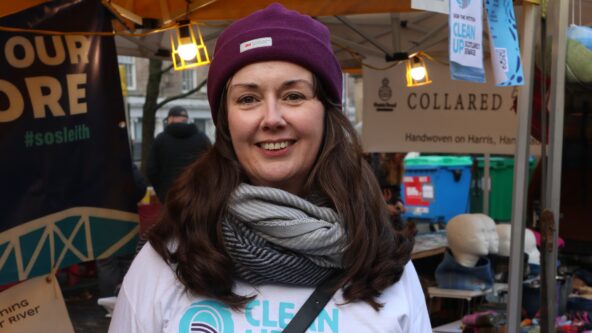
Kathleen is part of the River Almond Action Group (RAAG) in West Lothian. RAAG was formed in response to the severe levels of pollution present in the River Almond arising from sewage treatment works.
Read
Other resources
- Website: River Almond Action Group
- Social media: Instagram | Facebook
Image credit: Benji Brown
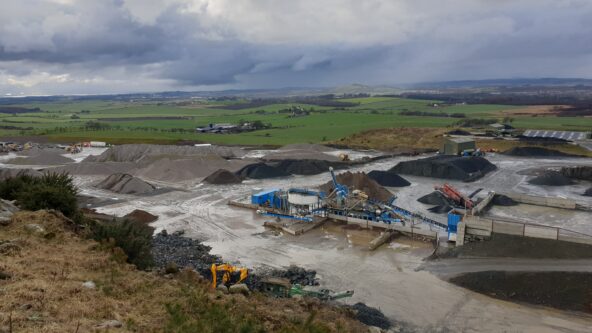
Mark Ollis
Mark is a Fife resident committed to fighting environmental harm in the area and across Scotland.
Mark has campaigned to raise awareness of pollution in Cullaloe Pine Forest and Goathill Quarry and incinerator ash dump.
Read
Other resources
Image credit: Collier Goathill Quarry by Mark Ollis
- UNECE (2025) Who is an environmental defender ↩︎
Header photo: Kathleen Edie, Julia Leino, Doreen Goldie and Jo Hirst speaking at the ERCS’s birthday party by Eloise Bishop